

Know about these everyday winter habits that quietly harm your heart health. Learn the hidden risks and simple changes to protect your cardiovascular well-being this cold season.

Skipping Morning Hydration: Although it’s winter, we usually feel less thirsty, but dehydration makes blood thicker and puts extra stress on the heart. Poor hydration at the start of the day silently increases heart workload. (Image Source: Canva)
2/8
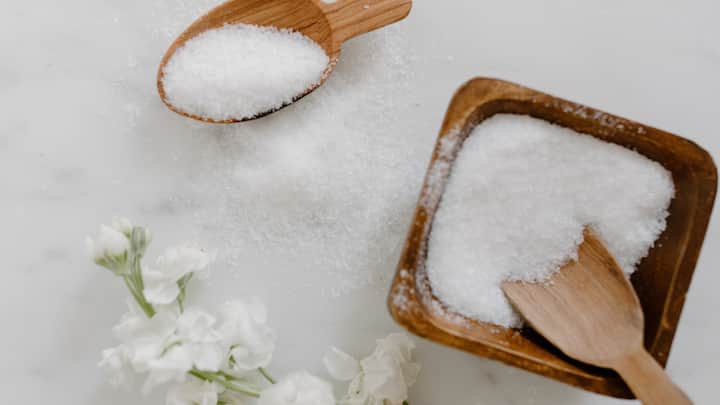
Consumption of More Salt and Processed Foods: Soups, packaged snacks, and pickles are common foods in winter and usually contain a lot of salt. Excessive salt retention raises blood pressure, hence is one of those subtle winter habits that damages heart health. (Image Source: Canva)
3/8

Avoidance of Outdoor Movement: Many do not like to venture out in cold weather, cutting down on daily physical movement. Reduced movement slows metabolism, raises cholesterol levels, and influences circulation, an unseen threat to your heart. (Image Source: Canva)
4/8

Taking Very Hot Showers: Sudden extreme temperature changes, such as coming in from cold air into a very hot shower, result in sudden dilation and constriction of the blood vessels. These fluctuations can precipitate dizziness, pressure changes, and cardiac stress that is quite unnecessary. (Image Source: Canva)
5/8
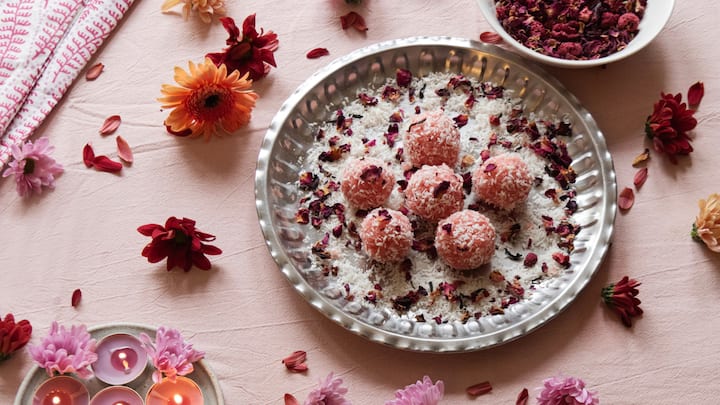
Overindulging in Winter Comfort Foods: The desire to consume heavier, sweeter, or fried foods increases during winter. Regular consumption of such foods leads to increased weight and elevated levels of lipids, silently putting a burden on the heart. (Image Source: Canva)
6/8

Seasonal Stress and Poor Sleep: Winter is a time when days get shorter, but ironically, for many, sleep patterns get disturbed or there is low-level seasonal depression. Poor sleep and chronic stress increase cortisol levels, which impacts heart rhythm and blood pressure. (Image Source: Canva)
7/8

Consuming Too Much Tea or Coffee: Hot drinks are soothing, but too much caffeine leads to palpitations, anxiety, and dehydration; this is especially dangerous in combination with the constricting of blood vessels during winter. (Image Source: Canva)
8/8

Inputs By: Dr. Ravi Prakash, Senior Consultant-Cardiology, PSRI Hospital, New Delhi(Image Source: Canva)